On this page
To season a new clay tagine, soak the base and lid in water for about 2 hours, let them dry, rub the inside and outside with olive oil, then put the pot in a cold oven, heat it to 150 °C (300 °F) and leave it for 2 hours before letting it cool in the switched-off oven. That one-time cure makes the clay tougher and less likely to crack. After that, the rules are simple: low heat, a diffuser on the hob, and no sudden temperature changes.
If you don't own a tagine, you don't need one to cook the recipes on this site. A heavy Dutch oven does the job well, and the comparison below explains what you gain and lose.
Know which tagine you have
| Type | What it is | Cook in it? |
|---|---|---|
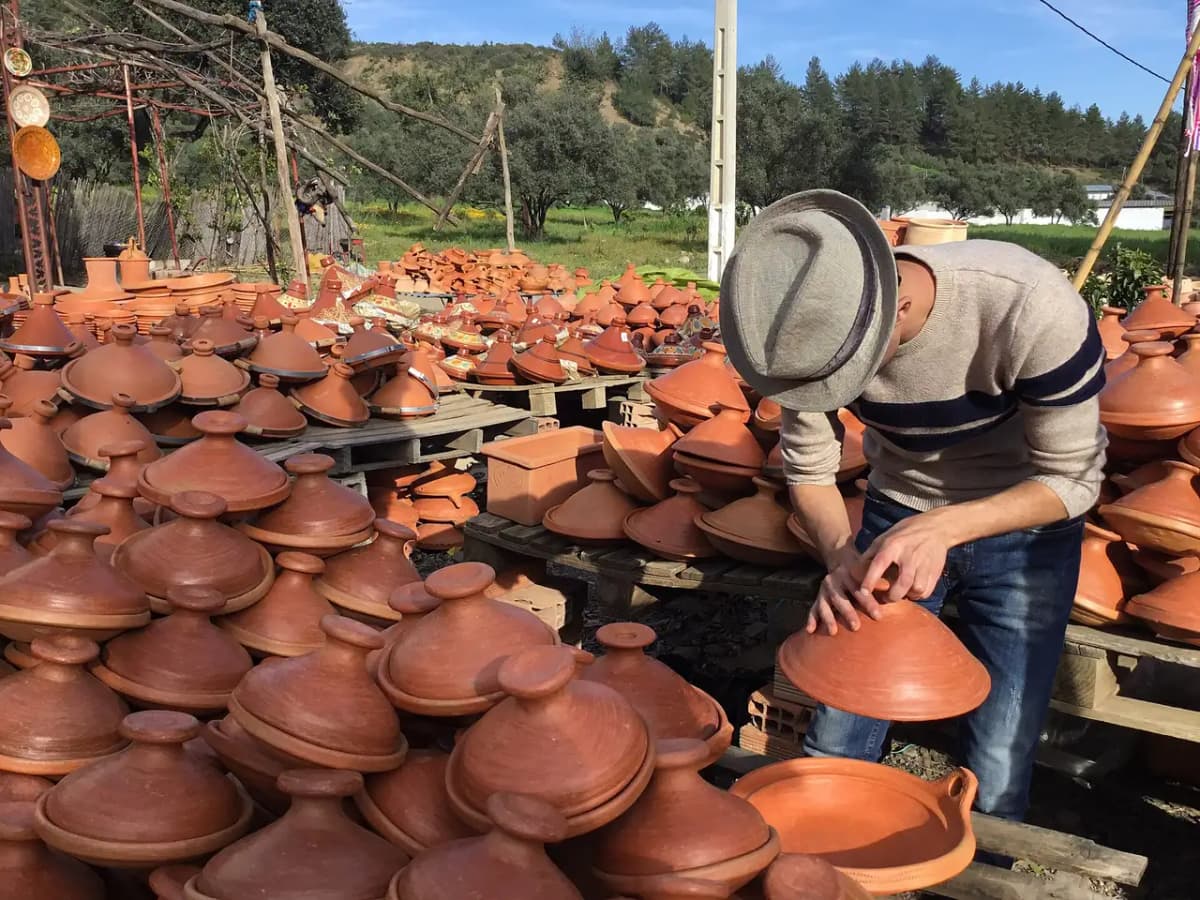
| Unglazed clay (terracotta) | Plain, matte, reddish clay, often sold cheap in Moroccan markets | Yes, once seasoned. The most traditional flavour |
| Glazed cooking tagine | Glazed inside, often plain or simply coloured, sold for cooking | Yes. Easier to clean, needs less seasoning |
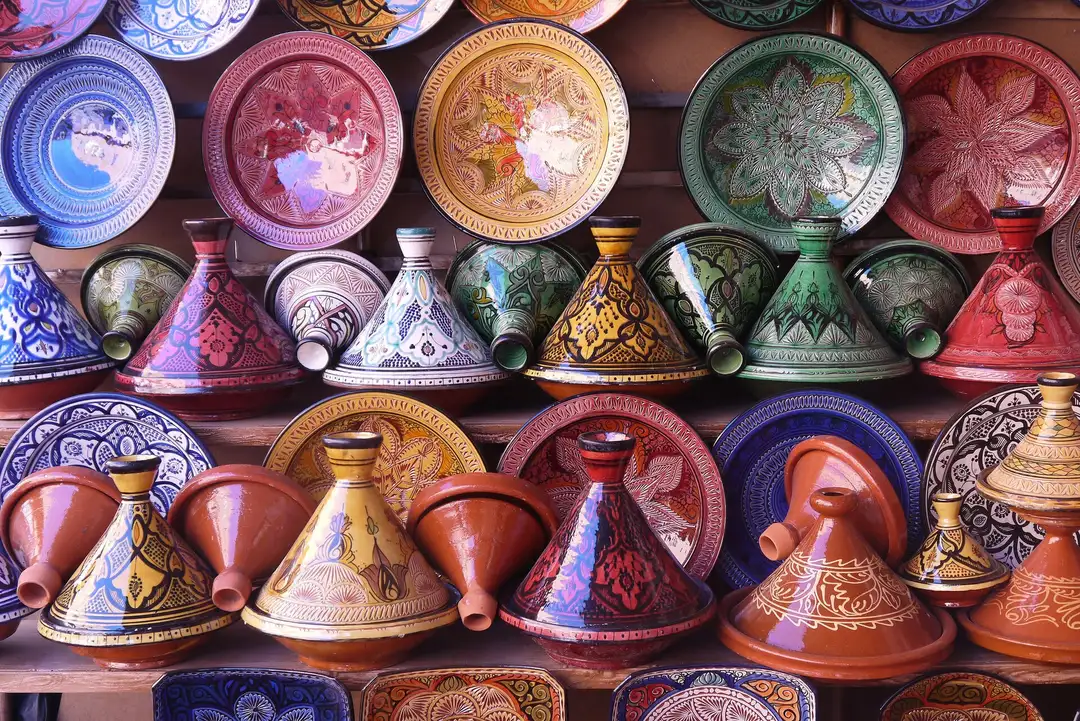
| Decorative / serving tagine | Painted, bright, sometimes with metal or ornate details | No. For serving or display only |
| Cast-iron or enamelled tagine | Metal base with ceramic or cast-iron lid | Yes, on any hob including induction |
Lead safety. The U.S. Food and Drug Administration warns that some traditional glazed pottery can leach lead into food, including pieces labelled lead-free, and that washing or boiling does not remove it. Bright red, orange and yellow glazes, handmade pieces from street vendors or flea markets, and pots from unknown makers carry more risk. If you are not sure, use a lead test swab on the inside before cooking, or keep that tagine for serving dry foods and display. Unglazed clay avoids the glaze question entirely.
How to season (cure) a clay tagine
- Soak. Submerge the base and the lid in water for at least 2 hours (some cooks leave it overnight). Unglazed clay will bubble as it absorbs water.
- Dry. Let both pieces dry, or wipe them well.
- Oil. Rub olive oil over the inside and outside of the base and lid. Unglazed clay will drink it in.
- Cold oven. Put both pieces in a cold oven. Set it to 150 °C (300 °F). Leave for 2 hours.
- Cool slowly. Turn the oven off and let the tagine cool inside with the door closed.
- Optional first cook. Some Moroccan cooks finish curing by cooking a simple onion-and-oil base in it on low heat before the first real meal. It helps seal the surface.
A darkened, slightly patchy pot after seasoning is normal.
How to cook in a clay tagine without cracking it
- Always use a heat diffuser on gas or electric hobs. A cheap metal diffuser plate spreads the heat and protects the base.
- Low to medium-low heat only. A tagine is designed for gentle simmering. In Morocco it traditionally sits over charcoal in a small clay brazier (majmar), which gives slow, even heat.
- Never heat it empty. Put the oil, onions and ingredients in before you turn on the flame.
- Warm, not cold, liquid. If you add water during cooking, use warm or hot water.
- Little water. The cone sends condensation back down, so recipes need far less liquid than a pot. A tagine is not a soup pot.
- Don't lift the lid too often. Each time you release the steam.
- Hot pot, dry surface. Set it on a wooden board or folded towel, never a cold, wet counter.
- Oven option. Start in a cold oven and let it heat with the pot, up to about 180 °C (350 °F).
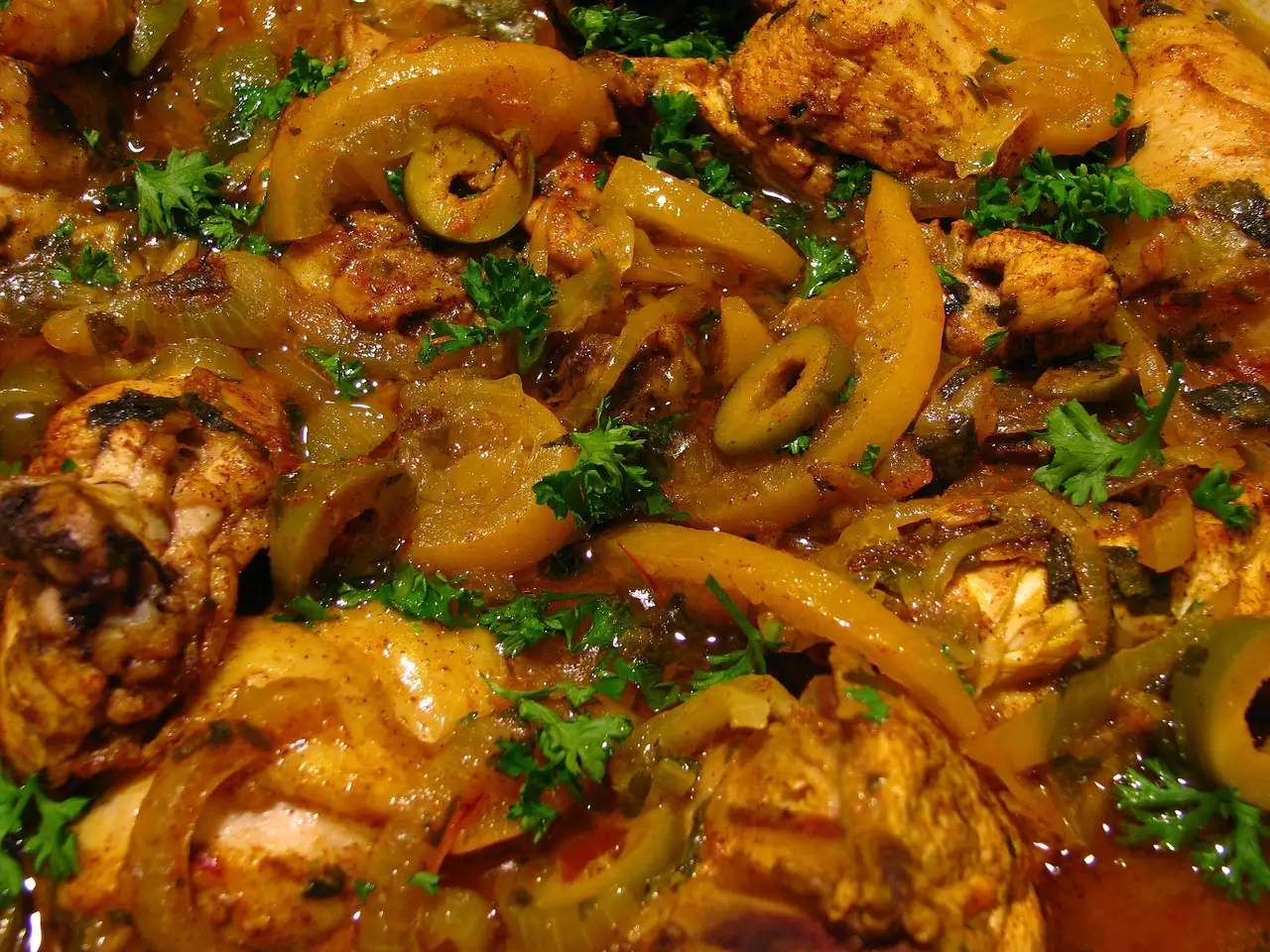
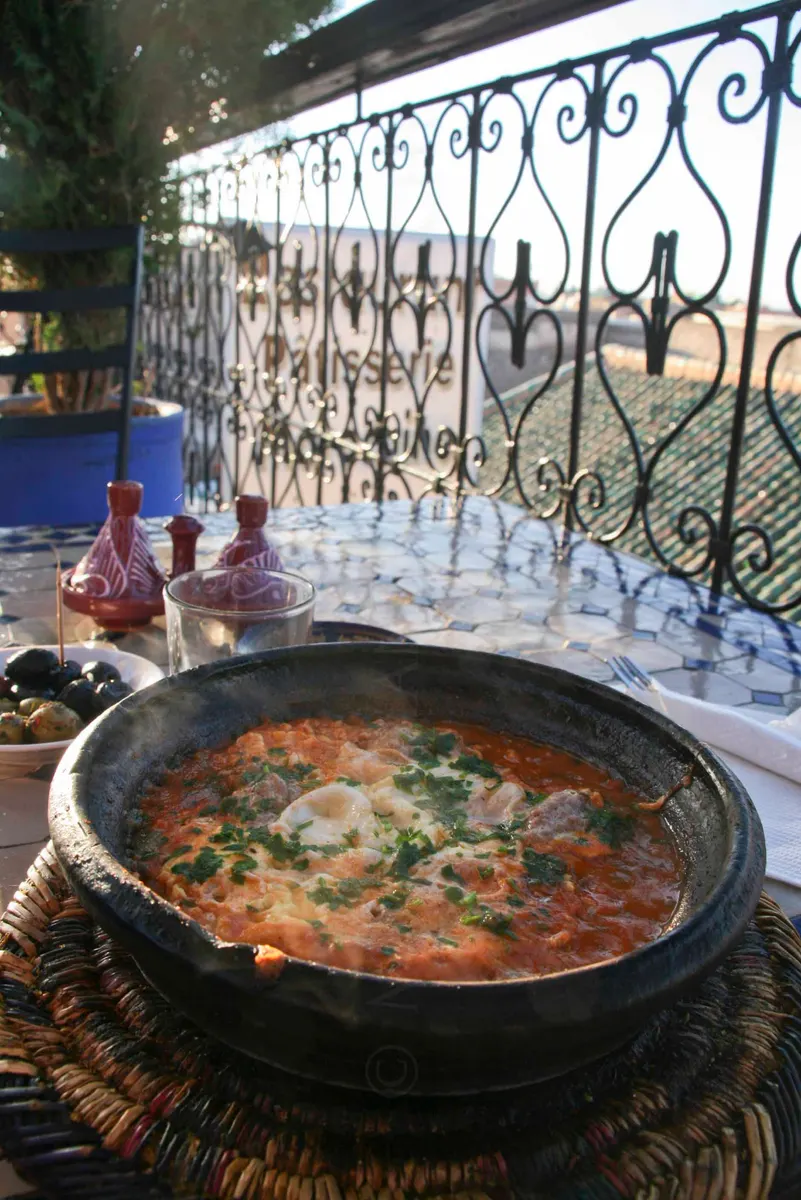
Good first dishes: kefta tagine with eggs (short and gentle) or chicken tagine with preserved lemons.
Cleaning and storage
- Let it cool completely before washing.
- Wash by hand with warm water, a soft sponge and a little baking soda or very little mild soap. Unglazed clay absorbs soap flavour, so rinse well.
- Never put it in the dishwasher.
- For stuck food, soak in warm water first.
- Dry completely, rub with a thin coat of oil now and then, and store with the lid slightly ajar or a paper towel between lid and base so no mould grows.
- If it sits unused for months, a quick re-season (oil and a low oven) refreshes it.
Clay tagine vs Dutch oven
| Clay tagine | Dutch oven (cast iron / enamel) | |
|---|---|---|
| Flavour | Slight earthy note, very gentle reduction | Clean; very good results |
| Liquid needed | Very little | A bit more |
| Heat | Low only, diffuser required | Low to high; can sear and brown |
| Hob types | Gas, electric with diffuser; not induction alone | All, including induction |
| Cooking time | Longer (add 20–30% to pot times) | Shorter, more predictable |
| Durability | Fragile; can crack | Lasts decades |
| Serving | Goes straight to the table, traditional look | Practical, less ceremony |
| Price | Low (unglazed) to medium | Medium to high |
Our take: if you cook Moroccan food once a month, a Dutch oven is the practical choice and the food will still taste right. If you want the full experience, and especially if you cook on gas, a modest unglazed or simply glazed cooking tagine of about 30 cm (12 in) diameter serves four and costs little. Buy one meant for cooking, season it, and use a diffuser.
Adapting tagine recipes to a Dutch oven
- Add about 25% more liquid than a tagine recipe calls for, or check halfway.
- Shorten cooking time by about 20%.
- Keep the heat low and the lid on; reduce the sauce uncovered at the end.
- Arrange the food the same way: meat in the centre, vegetables around and on top.
Mistakes to avoid
| Mistake | Result |
|---|---|
| Skipping the diffuser | Cracked base |
| High heat to "speed it up" | Scorched onions, cracked pot |
| Cooking in a decorative tagine | Possible lead exposure |
| Dishwasher | Damaged clay and glaze |
| Storing with the lid sealed tight | Musty smell or mould |
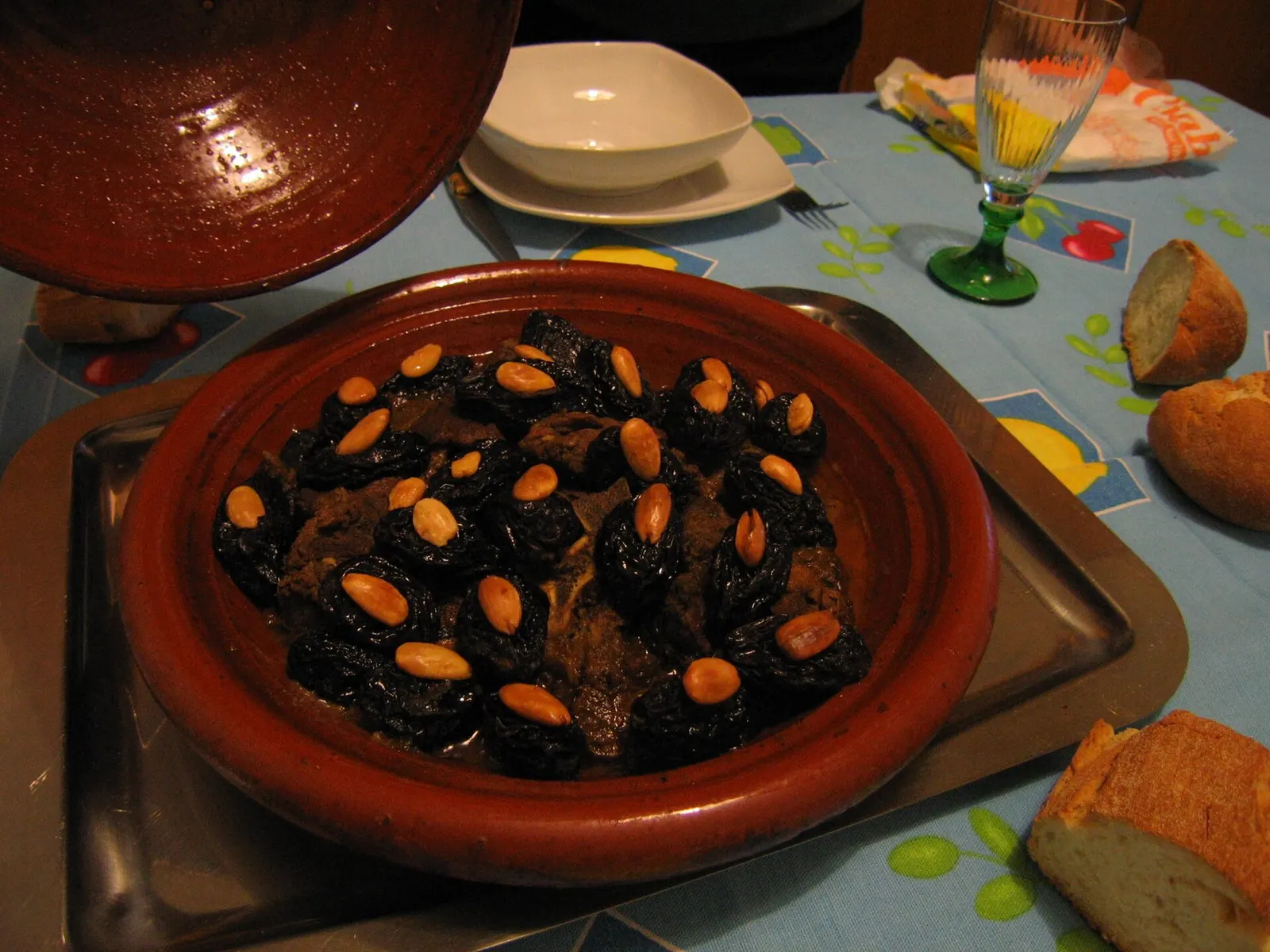
Once your tagine is seasoned, try the slow, festive lamb tagine with prunes and almonds.
FAQ
Do I need to season a glazed tagine?
It is less critical than for unglazed clay, but a soak and a short oil-and-oven cure still helps the unglazed rim and base resist cracking. Always follow the maker's instructions if they differ.
Can a clay tagine go on an electric or induction hob?
On an electric coil or ceramic hob, only with a metal heat diffuser between pot and burner. Clay does not work on induction by itself; you need an induction-compatible diffuser plate, or use a cast-iron tagine.
Can I put a clay tagine in the oven?
Yes, and it is the gentlest way to cook in one. Put it into a cold oven and let both heat up together, up to about 180 °C (350 °F).
Why did my tagine crack?
Almost always thermal shock: high heat, an empty pot on the flame, cold liquid poured into a hot pot, or a hot pot set on a cold wet surface.
Is a decorative painted tagine safe to cook in?
Not necessarily. Decorative tagines may use glazes that are not food-safe. Only cook in pots sold for cooking, from a maker you trust, and test older or market-bought pieces for lead.