On this page
- Prep
- 10 min
- Cook
- 0 min
- Serves
- 12
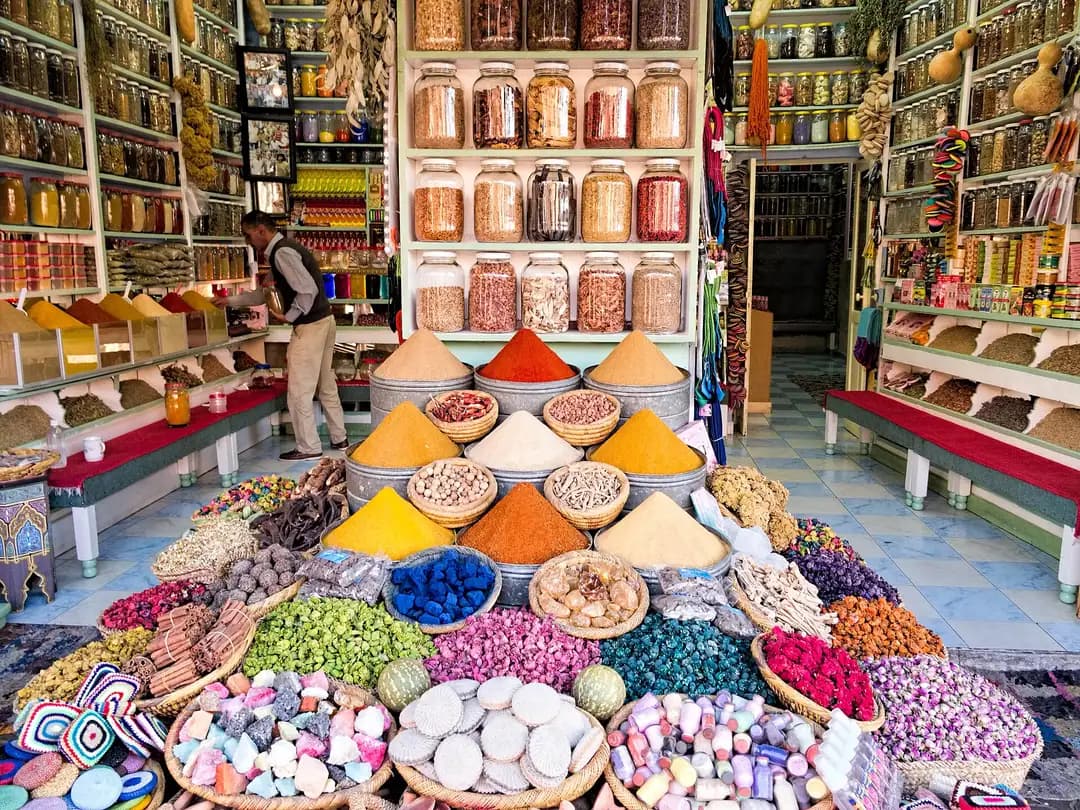
Ras el hanout is a Moroccan spice blend whose name means "head of the shop" in Arabic: the best mix a spice seller can put together. There is no fixed recipe. Shop blends can include a dozen to more than twenty spices, but most share a warm base of cumin, coriander, ginger, turmeric, cinnamon and pepper. You can make a good version at home in 10 minutes from supermarket spices, and the recipe is below.
What it tastes like
Warm, earthy and lightly sweet, with a floral note in the better blends. It is not hot. Think of it as a rounder, more perfumed cousin of curry powder, with cinnamon and ginger in place of fenugreek.
How it is used in Morocco
A common misunderstanding abroad is that every tagine uses ras el hanout. Most everyday Moroccan cooking relies on a simpler set: ginger, black pepper, turmeric, saffron, sometimes cumin and paprika. Ras el hanout comes out for richer dishes:
- Mrouzia, the sweet lamb tagine with raisins, honey and almonds made in the days after Eid al-Adha
- Some lamb and beef tagines, and game or pigeon dishes
- Winter dishes and certain harira recipes, by the pinch
- Kefta in some homes, in place of plain cumin
- Spice rubs for roast lamb (mechoui) and chicken
A little goes a long way: ½ to 1 tsp is enough for a tagine for four.
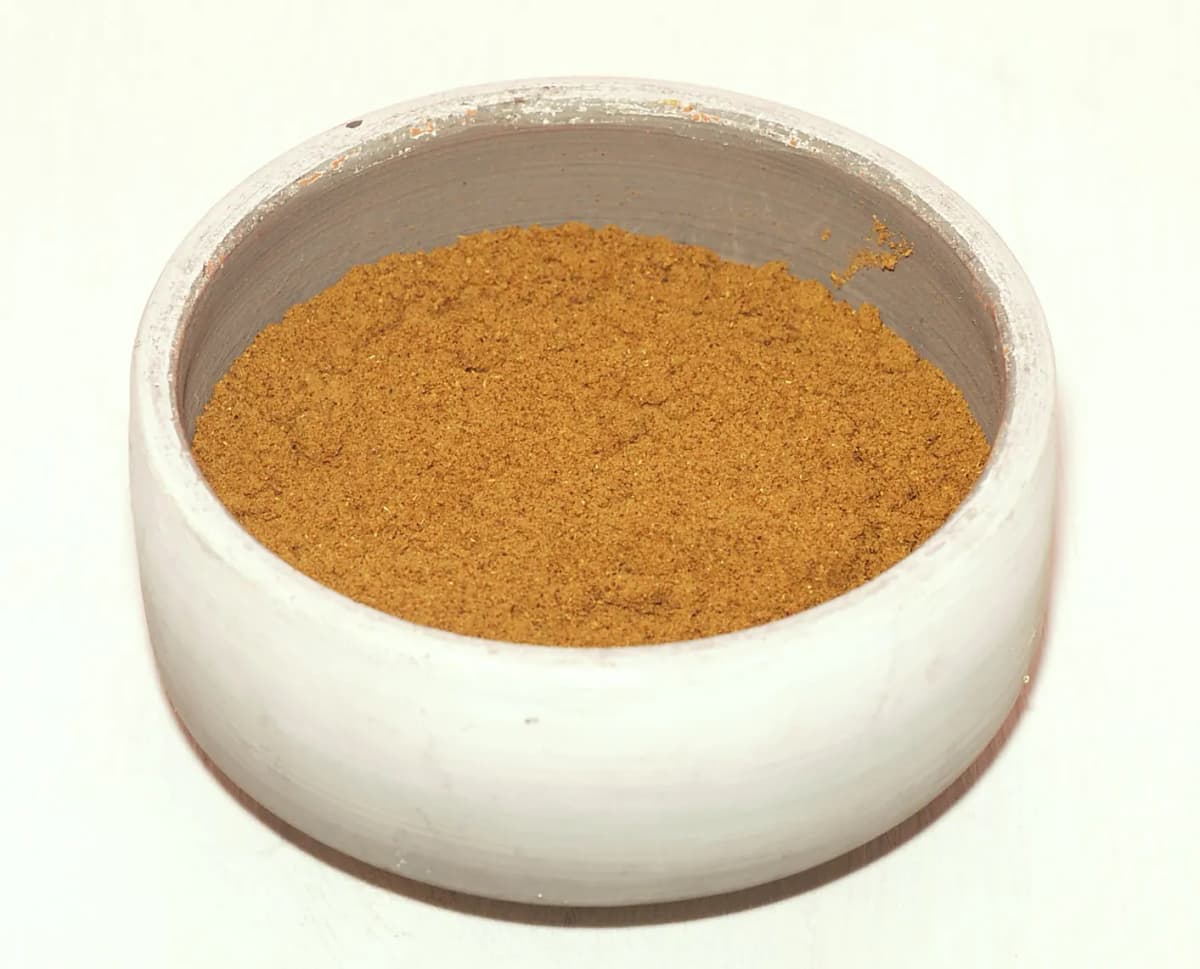
Homemade ras el hanout
This blend uses ground spices you can find in any supermarket. It makes about 6 tablespoons.
| Spice | Amount | What it brings |
|---|---|---|
| Ground cumin | 2 tsp | Earthy base |
| Ground coriander | 2 tsp | Citrusy, light |
| Ground ginger | 2 tsp | Warmth, the Moroccan signature |
| Ground turmeric | 2 tsp | Colour, mild bitterness |
| Ground cinnamon | 1½ tsp | Sweetness |
| Ground black pepper | 1½ tsp | Gentle heat |
| Sweet paprika | 1 tsp | Colour, roundness |
| Ground allspice | 1 tsp | Clove-pepper depth |
| Ground nutmeg | ½ tsp | Perfume |
| Ground cardamom | ½ tsp | Floral lift |
| Ground cloves | ¼ tsp | Depth (strong, keep it small) |
| Cayenne | ¼ tsp | Optional heat |
| Dried rose petals, crushed | 1 tsp | Optional; the floral note in Fez-style blends |
Method: stir everything together until the colour is completely even, then store in a small airtight jar away from heat and light. Use within 3–6 months; ground spices fade.
Better: toast and grind whole spices
If you have a spice grinder, use whole cumin, coriander, black pepper, allspice, cardamom (seeds only) and cloves in the same proportions. Toast them in a dry pan over medium heat for 1–2 minutes, until fragrant, cool, then grind. Mix in the ground ginger, turmeric, cinnamon, paprika and nutmeg. The flavour is noticeably fresher.
How to use your blend
| Dish | Amount | When to add |
|---|---|---|
| Lamb or beef tagine for 4–6 | ½–1 tsp | With the onions and oil at the start |
| Roast chicken (1.5 kg / 3.3 lb) | 1 tbsp mixed with 2 tbsp oil, salt and garlic | Rubbed on 1 hour before roasting at 200 °C (400 °F) |
| Roast vegetables (carrots, squash, chickpeas) | 1–2 tsp per sheet pan | Tossed with oil before roasting |
| Lentil or vegetable soup | ½ tsp per litre | With the base vegetables |
| Burgers or meatballs | 1 tsp per 500 g (1.1 lb) meat | Mixed into the meat |
| Couscous broth | ½ tsp | With the other spices |
The rule is to cook it in fat early. Sprinkled on at the end, the spices taste dusty and raw.
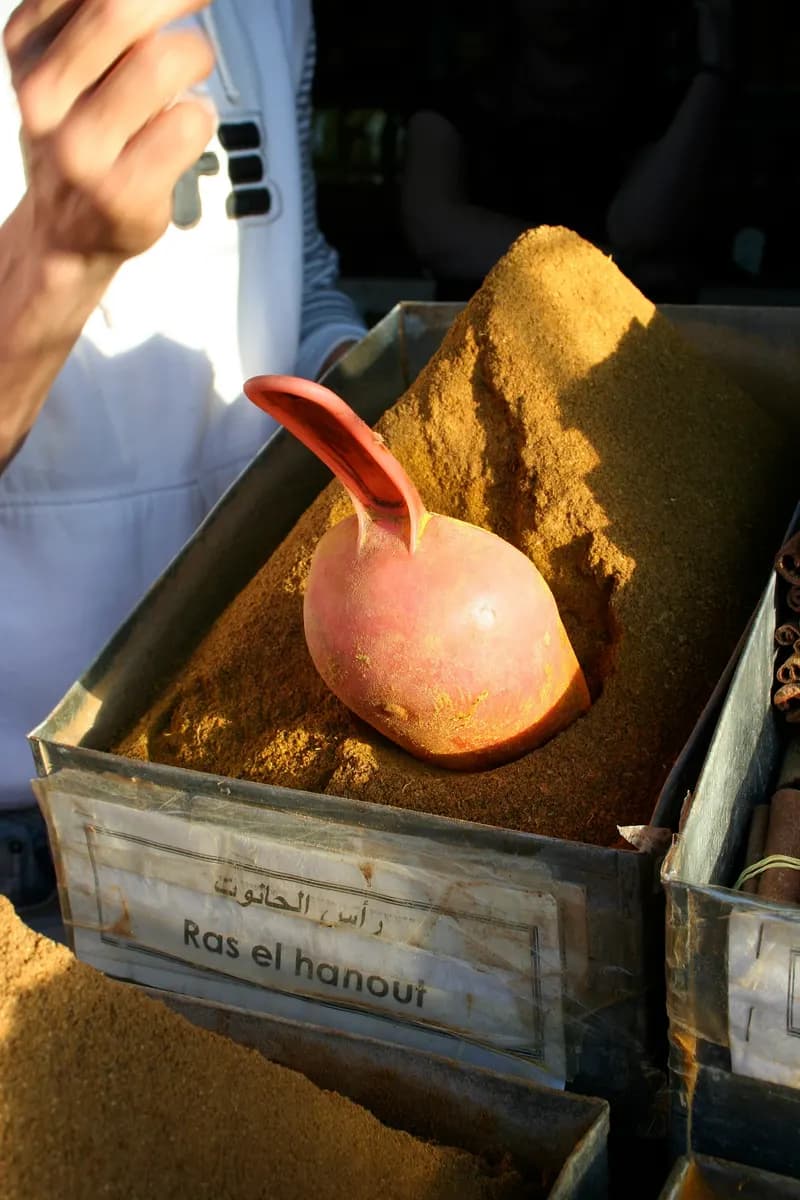
Where to buy it abroad
- Supermarkets: many larger supermarkets in the US, UK, Europe and Australia now carry it in the spice aisle.
- Middle Eastern and North African grocers: usually the best value, often sold loose.
- Specialist spice shops and online: good for blends that include rose petals and rarer spices.
- In Japan: look in import food shops, spice specialists and online marketplaces under ラスエルハヌート.
Check the ingredient list: a good blend lists real spices, not salt or sugar first.
Other Moroccan pantry staples abroad
| Staple | What it is | Where to find / substitute |
|---|---|---|
| Preserved lemons | Lemons cured in salt | Middle Eastern grocers, or make them (30 days) |
| Smen | Aged, fermented butter, used in small amounts in couscous and harira | North African grocers and online; substitute ghee, or butter with a pinch of crumbled blue cheese for funk |
| Saffron | Threads; Morocco grows its own around Taliouine | Any good saffron; turmeric for colour only |
| Argan oil (culinary) | Toasted-kernel oil from the Souss region | Online; check it says culinary/toasted, not cosmetic |
| Fine and medium couscous | Durum semolina grains | Supermarkets everywhere |
| Gunpowder green tea | For mint tea | Tea shops, supermarkets |
Mistakes to avoid
| Mistake | Fix |
|---|---|
| Using it in everything | Keep it for richer dishes; it can flatten simple tagines |
| Adding too much | Start with ½ tsp per 4 servings |
| Raw spice taste | Cook it in oil with the onions at the start |
| Old spices | Ground spices lose aroma in months; date your jar |
| Too much clove or nutmeg | They overpower everything; stick to the small amounts |
Recipe card
Ras el Hanout: What It Is and a Homemade Blend
- Prep
- 10 min
- Cook
- 0 min
- Serves
- 12
Ingredients
- 2 tsp ground cumin
- 2 tsp ground coriander
- 2 tsp ground ginger
- 2 tsp ground turmeric
- 1 1/2 tsp ground cinnamon
- 1 1/2 tsp ground black pepper
- 1 tsp sweet paprika
- 1 tsp ground allspice
- 1/2 tsp ground nutmeg
- 1/2 tsp ground cardamom
- 1/4 tsp ground cloves
- 1/4 tsp cayenne (optional)
- 1 tsp crushed dried rose petals (optional)
Method
- 1Measure all the spices into a small bowl.
- 2Whisk or stir until the colour is completely even.
- 3Transfer to a small airtight jar, label with the date, and keep away from heat and light.
- 4Use within 3-6 months.
FAQ
What does ras el hanout mean?
It is Arabic for 'head of the shop', meaning the best blend a spice merchant can make.
Is ras el hanout spicy?
It is warm and aromatic rather than hot. Most blends have only a little cayenne or none at all.
What can I use instead of ras el hanout?
Mix equal parts cumin, coriander, ginger and turmeric with half as much cinnamon and black pepper. Garam masala is a rough stand-in in a pinch, but it is sweeter and clove-heavy.
Is ras el hanout used in every Moroccan dish?
No. Everyday tagines usually use ginger, pepper, turmeric and saffron. Ras el hanout is for richer dishes: some lamb tagines, mrouzia, game, and winter soups.